

Heal With an Anti-Inflammatory Diet
Introduction
Embracing an anti-inflammatory diet can have a transformative impact on your health and well-being. By choosing ingredients that naturally reduce inflammation in the body, this eating approach supports everything from joint health to immune function. The best part? It’s not about deprivation—it’s about celebrating fresh, nourishing foods that burst with flavor and keep you energized throughout the week.
The Power of the Anti-Inflammatory Diet
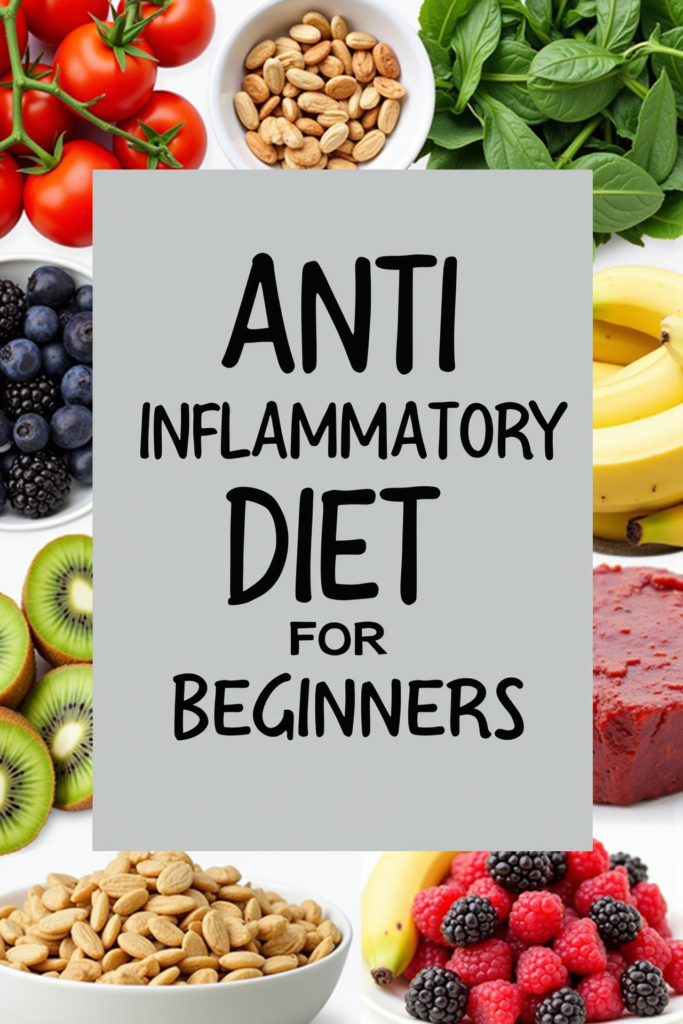
An anti-inflammatory diet is centered on whole, nutrient-dense foods like colorful fruits and vegetables, lean proteins, healthy fats, and whole grains. Incorporating these ingredients can help reduce chronic inflammation, which is linked to health concerns like heart disease, arthritis, and autoimmune conditions. Not only does this diet support your body’s natural healing processes, but it also brings vibrant tastes and satisfying textures to every meal—making healthy eating truly enjoyable.
Core Components of an Anti-Inflammatory Recipe
For a delicious anti-inflammatory dish, start with antioxidant-rich vegetables such as leafy greens, bell peppers, and broccoli. Add omega-3-rich proteins like salmon or beans, and incorporate anti-inflammatory spices such as turmeric and ginger. Finish off your plate with a drizzle of extra virgin olive oil, loaded with heart-healthy monounsaturated fats.
Sample Anti-Inflammatory Recipe: Rainbow Quinoa Salad
This vibrant Rainbow Quinoa Salad is a testament to how healing foods can also be visually appealing and delicious. With a blend of colorful vegetables, crunchy seeds, and a zesty dressing, each bite offers a medley of flavors and benefits.
Serving Suggestions
Enjoy this salad as a stand-alone meal, a light lunch, or a revitalizing side dish. Pair it with a piece of grilled fish or chicken for added protein, or pack it into meal prep containers for easy grab-and-go lunches that support your health all week long.
Nutritional Information and Serving Size
One serving of this anti-inflammatory salad typically contains about 250–300 calories, 8g protein, 40g carbohydrates, and 10g healthy fats. It’s fiber-rich and packed with vitamins, minerals, and phytonutrients—making it perfect for sustaining energy and supporting healing every day.
Ingredients
💡Meal Planning Tip: Save this recipe to automatically generate a convenient, categorized shopping list so every anti-inflammatory ingredient is at your fingertips for meal prep.

Instructions
- In a medium saucepan, bring 2 cups of water or vegetable broth to a boil. Add quinoa, reduce heat to low, and cover. Simmer for 12-15 minutes, or until liquid is absorbed. Fluff with a fork and let cool.
- In a large bowl, combine cooled quinoa, cherry tomatoes, bell pepper, spinach, red cabbage, red onion, avocado, pumpkin seeds, and fresh herbs.
- In a small bowl or jar, whisk together olive oil, lemon juice, apple cider vinegar, turmeric, ginger, salt, and pepper until emulsified.
- Pour the dressing over the salad and toss gently to combine.
- Serve immediately or refrigerate for up to 3 days for easy, healthful meals.
Weekly Meal Planning
Healing with an anti-inflammatory diet is easier than ever with smart weekly planning. Save and schedule this recipe as part of your week’s meals to automatically generate a master shopping list that combines ingredients from all selected recipes—streamlining your grocery runs and ensuring nothing is forgotten.
Planning Benefits:
– Calculates total ingredient amounts across your weekly meals
– Automatically sorts shopping lists by grocery store sections or categories
– Saves time, prevents duplicate purchases, and helps you stick to your healing diet
– Enables efficient meal prep with less stress and better organization
Pro tip: When you plan meals in advance, schedule your anti-inflammatory recipes to use overlapping ingredients—like leafy greens or citrus—so you buy just what you need and waste less food.
Cook and Prep Times
Prep Time: 15 minutes
Cook Time: 15 minutes
Total Time: 30 minutes